Based on medical guidance and emergency care distinctions commonly explained in healthcare education, understanding when to choose urgent care versus an emergency room can make a major difference in both safety and cost. Many people struggle in the moment to decide where to go, especially when symptoms feel alarming but not clearly life-threatening. Educational breakdowns of triage systems—like those discussed in healthcare lectures and public health explainers—emphasize that knowing the right setting helps ensure patients receive appropriate treatment at the right time.
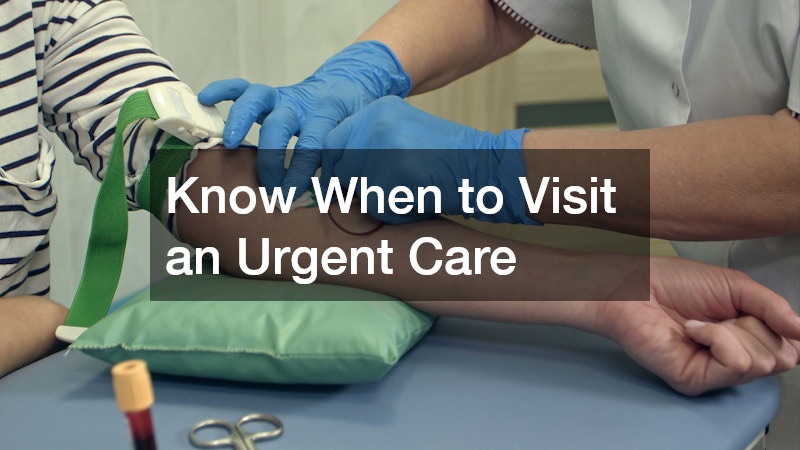
A key idea is that urgent care is designed for non-life-threatening conditions that still need prompt attention. This includes minor fractures, sprains, cuts that may require stitches, mild infections, fevers, or flu-like symptoms.
These clinics are typically equipped with basic diagnostic tools like X-rays and lab testing, allowing providers to treat many common injuries and illnesses quickly without the longer wait times often seen in hospitals.
In contrast, emergency rooms (ERs) are built for severe or life-threatening conditions that require immediate, advanced care. This includes symptoms like chest pain, difficulty breathing, signs of stroke, major trauma, severe bleeding, or loss of consciousness. ERs operate 24/7 and have access to advanced imaging, specialists, surgical teams, and intensive care resources that urgent care centers cannot provide. Understanding this distinction is central to making the right decision when every minute matters.
One of the biggest challenges highlighted in healthcare education—similar to discussions in medical lecture formats—is that defining “emergency” is not always straightforward. People often underestimate or overestimate severity. A symptom like abdominal pain, for example, could be something mild like indigestion or something serious like appendicitis. Because of this uncertainty, medical professionals often rely on structured triage principles: if a condition could be life- or limb-threatening, the ER is the safest choice. If it is uncomfortable but stable, urgent care is usually appropriate.
Another important concept is how symptoms are classified by onset and severity. Sudden and severe symptoms tend to indicate emergency situations, while gradual or mild symptoms are more appropriate for urgent care evaluation. For instance, a mild ankle sprain from exercise can typically be handled at urgent care, while a suspected broken bone with visible deformity or inability to move the limb may require emergency treatment. This classification helps providers quickly determine where patients should be seen.
Risk factors also play a major role in decision-making. In healthcare, these are often divided into intrinsic and extrinsic factors. Intrinsic factors include a patient’s age, medical history, chronic conditions, or previous injuries. For example, someone with heart disease experiencing chest discomfort should be more cautious and seek emergency care. Extrinsic factors include environmental causes such as accidents, sports injuries, or exposure to hazards. The interaction of these factors often determines whether urgent care is sufficient or whether ER-level care is required.
Another key takeaway from medical education is that time and resources differ significantly between settings. Urgent care centers are generally faster and more cost-effective for minor issues, while ERs prioritize the most critical cases first, meaning wait times can be longer for non-emergency conditions. However, ERs also provide life-saving interventions that urgent care centers cannot offer, which is why proper selection is so important.
Choosing between urgent care and an emergency room depends on symptom severity, risk factors, and how quickly treatment is needed. Minor injuries and common illnesses are best handled at urgent care, while severe, sudden, or potentially life-threatening conditions require emergency care. Understanding these differences helps patients make faster, safer decisions when health issues arise.
If you are ever unsure, don’t hesitate to seek urgent care for non-emergency conditions or go directly to the ER for serious symptoms—knowing the difference can protect your health and even save your life.