Seeking help for substance abuse is an important step toward recovery, but choosing the right level of care can feel overwhelming. Two of the most common options are inpatient addiction treatment and outpatient care. While both approaches are designed to help individuals overcome addiction, they differ significantly in structure, intensity, and support.
Understanding how these programs work can help individuals and families make informed decisions based on their recovery goals, lifestyle, and treatment needs.
- What Is Inpatient Addiction Treatment?
- What Is Outpatient Care?
- Key Differences Between Inpatient and Outpatient Treatment
- Who Benefits Most From Inpatient Addiction Treatment?
- Who May Benefit From Outpatient Care?
- The Importance of Personalized Treatment
- Recovery Is a Long-Term Process
- Take the First Step Toward Recovery Today
What Is Inpatient Addiction Treatment?
Inpatient addiction treatment, also known as residential treatment, requires individuals to live at a treatment facility for a designated period of time. During their stay, patients receive around-the-clock care, structured therapy sessions, medical supervision, and peer support in a controlled environment.
This type of treatment is often recommended for people struggling with severe addiction, co-occurring mental health conditions, or a history of relapse. Because patients remain on-site, inpatient addiction treatment removes many outside distractions and triggers that may interfere with recovery.
Programs can vary in length depending on individual needs, but many range from 30 to 90 days or longer.
What Is Outpatient Care?
Outpatient care allows individuals to receive treatment while continuing to live at home. Patients attend scheduled therapy sessions, counseling appointments, or group meetings during the week but return to their daily routines afterward.
Outpatient programs are often more flexible than inpatient addiction treatment and may work well for individuals with mild to moderate substance use disorders. They can also serve as a step-down option after completing residential treatment.
There are several levels of outpatient care, including:
-
Standard outpatient therapy
-
Intensive outpatient programs (IOP)
-
Partial hospitalization programs (PHP)
Each option provides different levels of support depending on the patient’s recovery needs.
Key Differences Between Inpatient and Outpatient Treatment
Although both treatment options focus on recovery, there are several important differences to consider.
Living Environment
One of the biggest distinctions is where treatment takes place.
Inpatient addiction treatment requires patients to stay at the facility full-time. This structured environment helps reduce exposure to triggers, unhealthy relationships, and substances that may contribute to addiction.
Outpatient care allows individuals to remain at home and continue their regular responsibilities, such as work, school, or family obligations.
For some people, staying connected to everyday life can be beneficial. For others, remaining in the same environment where substance use occurred may increase the risk of relapse.
Level of Supervision
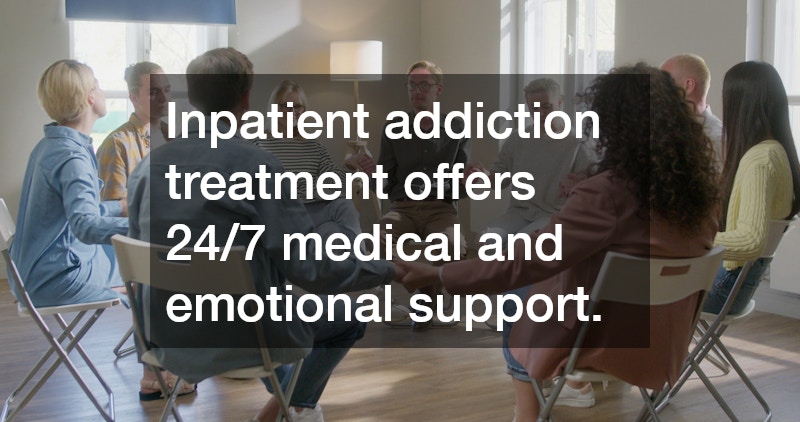
Inpatient addiction treatment offers 24/7 medical and emotional support. Patients have immediate access to healthcare professionals, counselors, and staff members throughout their stay.
This level of supervision is especially important during detox or early recovery, when withdrawal symptoms and emotional challenges may be most intense.
Outpatient programs provide support during scheduled sessions but do not offer constant monitoring. Individuals are expected to manage their recovery independently outside of appointments.
Treatment Intensity
Residential programs typically involve a full daily schedule that includes:
-
Individual counseling
-
Group therapy
-
Behavioral therapy
-
Educational sessions
-
Wellness activities
-
Relapse prevention planning
Because inpatient addiction treatment immerses patients in recovery full-time, it often provides a more intensive experience.
Outpatient care usually involves fewer treatment hours each week. While therapy remains a core component, patients balance recovery with daily responsibilities.
Flexibility
Outpatient care offers greater flexibility for people who cannot step away from work, school, or family commitments. Patients can maintain many aspects of their normal routine while still receiving treatment.
Inpatient addiction treatment requires a temporary separation from daily life. While this may seem challenging, the focused environment can provide the stability needed for long-term recovery.
Cost Considerations
Because inpatient addiction treatment includes housing, meals, medical care, and continuous supervision, it is generally more expensive than outpatient care.
Outpatient programs are often more affordable and may be covered differently by insurance providers. However, the most effective option should be based on clinical needs rather than cost alone.
Who Benefits Most From Inpatient Addiction Treatment?
While every recovery journey is unique, inpatient addiction treatment may be especially beneficial for individuals who:
-
Have severe or long-term substance use disorders
-
Experience strong withdrawal symptoms
-
Have relapsed multiple times
-
Struggle with mental health conditions such as anxiety, depression, or PTSD.
-
Lacks a stable or supportive home environment
-
Need medical detox services
-
Require intensive structure and accountability
The immersive nature of residential care can help individuals focus entirely on healing without outside distractions.
Who May Benefit From Outpatient Care?
Outpatient programs may be appropriate for people who:
-
Have mild to moderate addiction issues
-
Possess strong support systems at home
-
Need flexibility to maintain work or school obligations
-
Have completed inpatient addiction treatment and need continued support
-
Are motivated to remain engaged in treatment independently
For some individuals, outpatient care provides enough structure to support recovery while allowing them to stay connected to daily responsibilities.
The Importance of Personalized Treatment
There is no one-size-fits-all solution for addiction recovery. The right program depends on factors such as substance use history, mental health needs, physical health, family support, and relapse risk.
Many treatment providers conduct assessments to determine whether inpatient addiction treatment or outpatient care is the most appropriate choice. In some cases, individuals may transition between both levels of care during their recovery journey.
For example, someone may begin with residential treatment and later move into an outpatient program for continued support and relapse prevention.
Recovery Is a Long-Term Process
Whether someone chooses inpatient addiction treatment or outpatient care, recovery does not end after completing a program. Ongoing support is often essential for maintaining sobriety and building healthy coping skills.
Aftercare services may include:
-
Continued counseling
-
Support groups
-
Sober living programs
-
Alumni programs
-
Relapse prevention planning
-
Family therapy
Long-term recovery often involves consistent effort, support, and lifestyle changes that promote physical and emotional well-being.
Take the First Step Toward Recovery Today
Choosing between inpatient addiction treatment and outpatient care is an important decision that can shape the recovery journey. Understanding the differences between these programs can help individuals and families feel more confident when seeking support.
If you or someone you love is struggling with addiction, reaching out to a professional treatment provider can help determine the best path forward. The right support system can make a meaningful difference in achieving lasting recovery and rebuilding a healthier future.